On Yer Bike!

What businesses can learn from cultural heroes in British Cycling
By Tony Quinn, BBD Perfect Storm
The go-to-gag for many of our national sporting rivals is that we, the British, are naturally proficient in sports where we are predominantly sat on our butts.
It’s true of course that we do have an enviable and long-standing track record in rowing and equestrian but cycling, well, cycling is not one that anyone can claim came naturally to us.
Prior to the appointment in 2003 of Dave Brailsford as Performance Director of British Cycling, Britain hadn’t won a gold medal since 1908 and had never won a Tour de France. Just five years later, in 2008 the British team took home 60% of the sport’s gold medals.
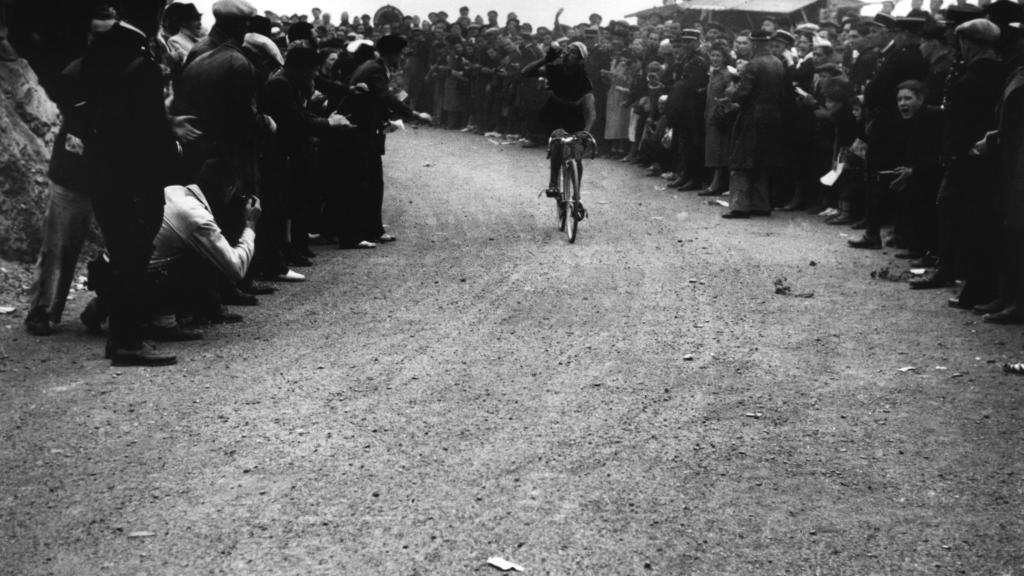
In London 2012, they ended the games having set 9 Olympic Records and 7 World Records. At Rio 2016, Team GB continued this mighty transformation, winning 2/3rds of golds available.
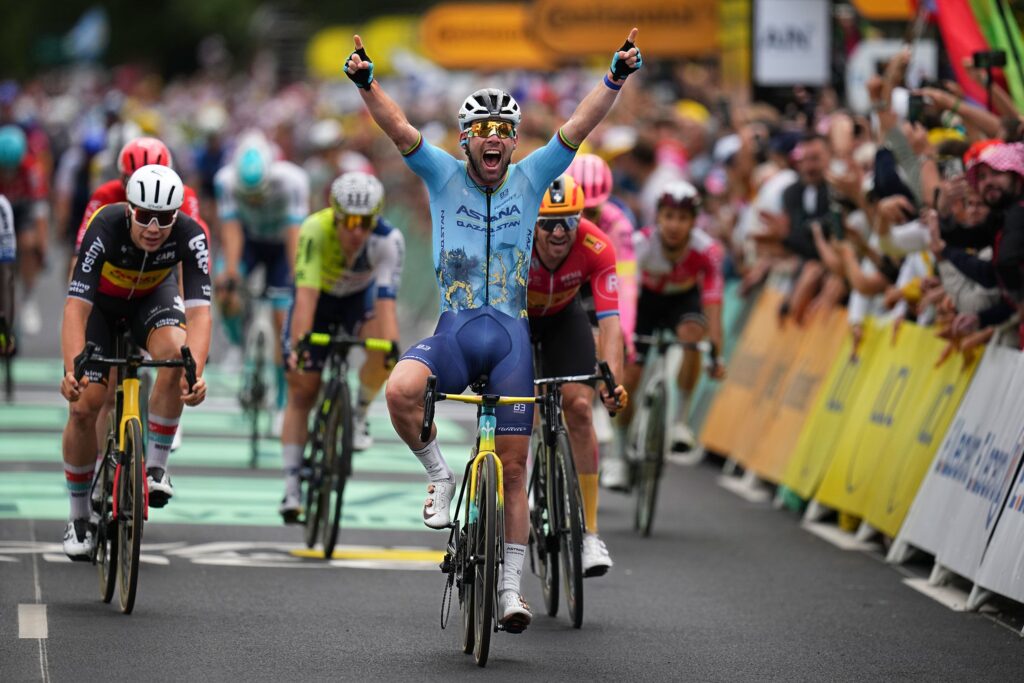
Perhaps more remarkably, having never won the Tour de France before, British riders won six of the eight between 2012 and 2018.
Over twenty years on from Brailsford’s appointment, we can see a golden era emerging—a new crop of talent ready to write the next chapter in Britain’s glorious cycling history, with Team GB winning eleven medals in Paris, more than any other nation.
Little wonder that Stephan Park, the current Performance Director of British Cycling, believes:
‘Our performance is one we can be as proud—if not prouder—than anything we’ve done before.’
At the core of this strategy was the introduction of a culture that underpinned the sport, as well as those who championed it.
It’s a culture of unity, passion, innovation and collaboration.
In support of these values:
- Staff surveys are conducted annually
- Exit interviews identify cultural trends
- ‘Team Talk’ all-staff conferences ensure alignment
It’s clear how important internal culture is for British Cycling—the importance of defining it, fostering it, and staying true to it.
However, what isn’t often documented—but is clearly key—is the role of cultural champions.
From Sir Chris Hoy to Ed Clancy to Jason Kenny, they became the torchbearers for success, creating a living, breathing culture that inspires and endures
A nice story about cycling? Something to chat about while waiting for your flat white? Perhaps not. Because whilst strategy provides direction, it’s culture that delivers it.
“What separates the highest performing organisations from the rest? Clever strategy? Superior products? Better people?
Perhaps they do – for a while – but any advantage fades if it is not built atop something more fundamental.
That something is culture.”
— McKinsey, People And Organisational Performance
Companies with highly engaged employees experience:
- 21% higher profitability
- 17% higher productivity
- 41% lower absenteeism
- 59% lower turnover in high-turnover organisations
Companies with strong, performance-enhancing cultures showed:
- 682% revenue growth over 11 years (vs. 166% for weaker cultures)
- 901% stock price growth (vs. 74% without strong cultures)
- 94% of executives and 88% of employees believe culture is vital to business success
- Up to 30% lower turnover rates
Companies with positive cultures and engaged employees see:
- 2.5x more revenue growth
- Twice the customer loyalty
Toxic culture is 10x more powerful than compensation in predicting employee attrition.
Replacing an employee costs up to 150% of their salary—making poor culture an expensive risk.
The transformation of British Cycling reminds us that:
- Culture transcends talent.
- It attracts, retains and maximises performance.
- It builds teams greater than the sum of their parts.
We often say culture eats strategy for breakfast. Perhaps it feasts on it.
And crucially—it always comes from the inside out.
From those who carry the torch: the cultural champions.
It starts by identifying them. Understanding their influence through Cultural Network Analysis. And then empowering them to lead.
Just like Sir Chris, Ed, and Jason.
That’s the key no one talks about in business case studies:
Your internal influencers are the real difference.
Without them, it’s just another Town Hall. A business offsite. A car without an engine.
Or perhaps…
A bike without pedals.